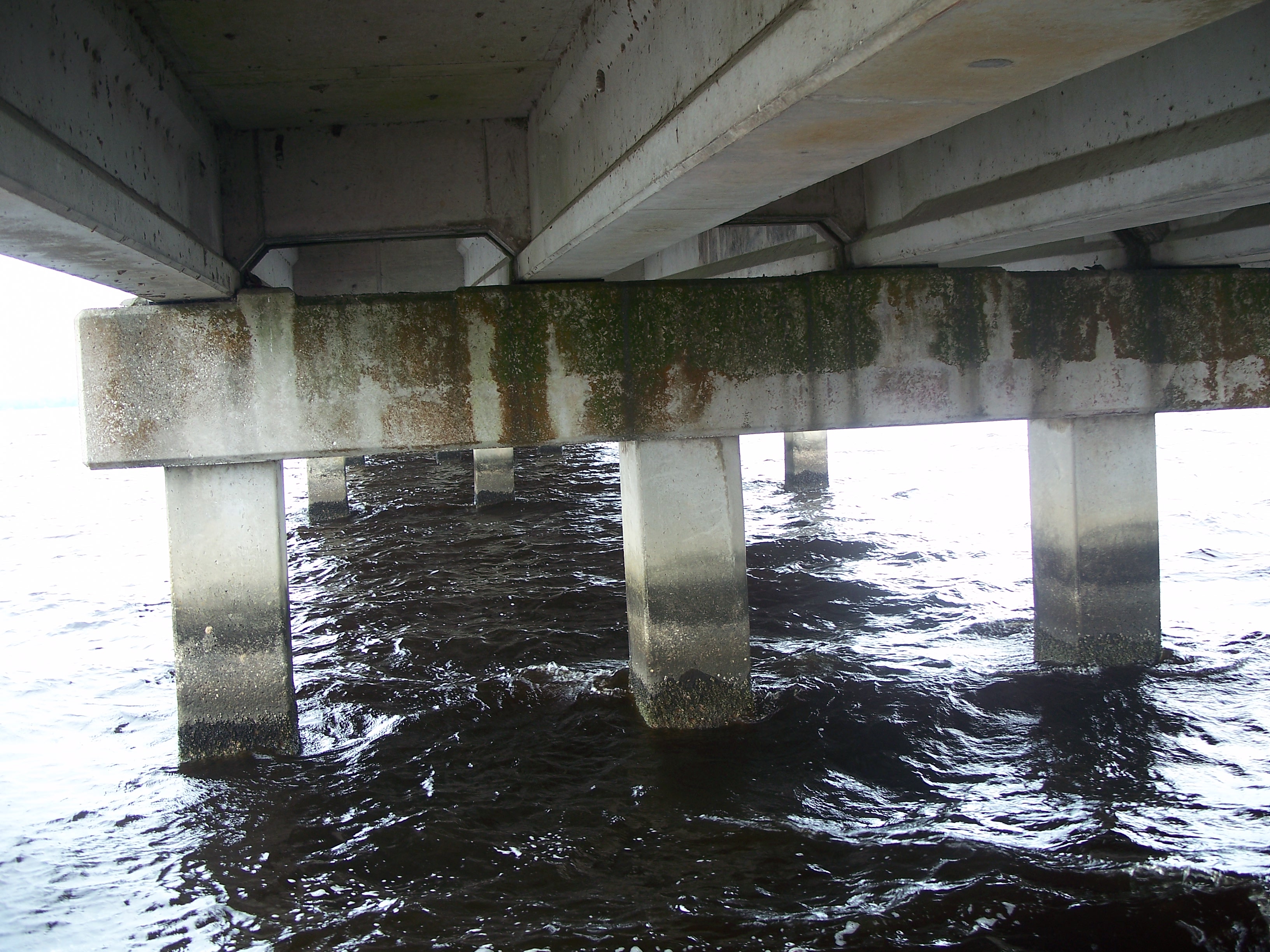
Harmful blue-green algae toxins have been confirmed in the St. Johns River near Shands Bridge, prompting a health alert from the Florida Department of Health in St. Johns County.
The alert, posted Friday, followed a water sample collected Wednesday that tested positive for toxins. DOH-St. Johns warned residents and visitors to stay out of the water where visible blooms are present.
What health officials advise near the bridge
The department's precautions cover a wide range of activities. Residents should not swim, wade, use personal watercraft or drink the river water near the bridge. Pets and livestock should also be kept away and given an alternative water source.
DOH-St. Johns cautioned that boiling contaminated water will not eliminate the toxins. Shellfish from waters with algae blooms should not be eaten. Fillets from fish caught in affected freshwater are considered safe if rinsed with tap or bottled water, gutted and cooked thoroughly.
Children, older adults and people with compromised immune systems face heightened risk even at low toxin concentrations and should avoid any exposure, according to DOH-St. Johns.
Third algae warning at Shands Bridge this year
This is not the first time the Shands Bridge stretch has drawn concern. DOH-St. Johns issued blue-green algae cautions for the same location in April and July, though those were precautionary notices issued while sample testing was underway. Friday's alert marks a confirmed presence of toxins.
Blue-green algae are bacteria common in Florida's freshwater. Blooms can look like scum, foam or paint on the water's surface and often smell unpleasant. Warm temperatures, still water and excess nutrients fuel their growth, making summer and fall peak season.
How to report blooms and exposure symptoms
Anyone who touches algae-affected water should wash skin and clothing with soap and water, according to DOH-St. Johns.
No end date has been set for the alert. Current water quality status is available at protectingfloridatogether.gov. Residents can report algae blooms to the Florida Department of Environmental Protection at 855-305-3903 or reportalgalbloom.com, and symptoms from exposure to the Florida Poison Information Center at 800-222-1222.






.jpg)