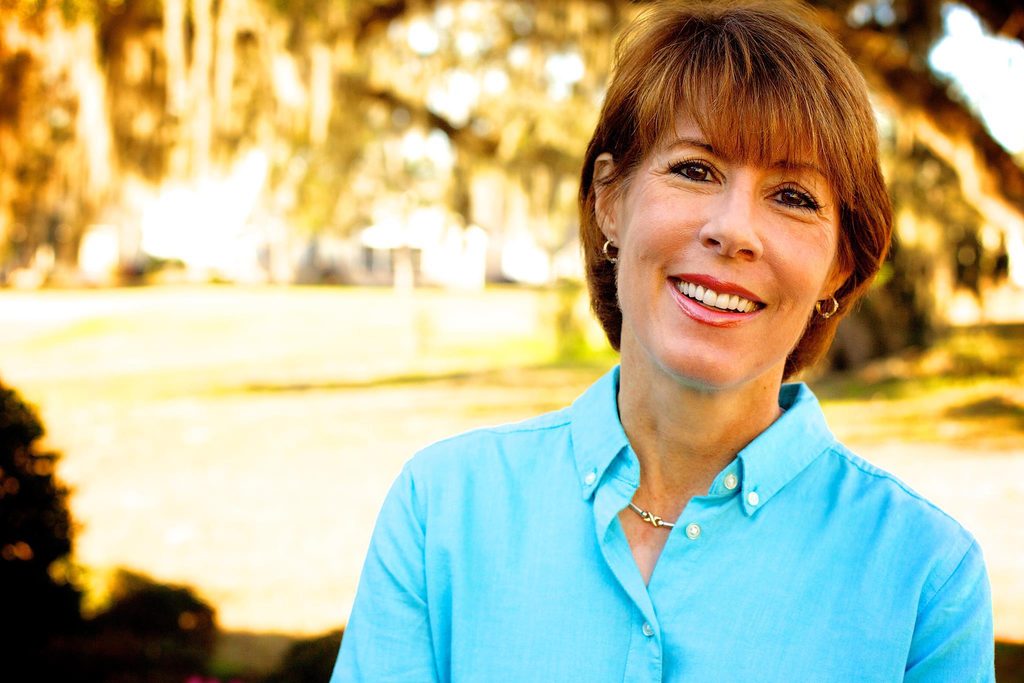
Gwen Graham, a former U.S. representative, is running for lieutenant governor on the David Jolly ticket in the Nov. 3 general election.
Jolly, a gubernatorial candidate, named Graham as his running mate on June 10. The pair filed qualifying paperwork in Tallahassee the same day, according to WUSF.
Graham is the daughter of the late Bob Graham, the former Florida governor and U.S. senator who died in 2024, according to WUSF. She said in a candidate questionnaire submitted to the Ponte Vedra Ledger that she and Jolly align on housing, healthcare, education and opposition to data centers. She described Florida's affordability crisis as starting with housing and said the administration would work to lower homeowners insurance costs by creating a state catastrophic fund that removes hurricane coverage from the private market.
Seven other candidates are also on the ballot for lieutenant governor: Bryan Avila (Republican), Benjiman Rojas, Joe Van Vactor, Juan Santana, Rachel Rodriguez, Ruben A. Coto (all No Party Preference) and Nicole Skelly (Libertarian), according to BallotReady election data.
Candidate information
- Full name: Gwen Graham
- Date of birth: Jan. 31, 1963
- Birthplace: Miami Lakes, Florida
- Residence: Tallahassee, Florida
- Party: Democratic
- Education: Bachelor's degree from the University of North Carolina at Chapel Hill (1984); juris doctorate from American University Washington College of Law (1988)
- Family: Married to Steve Hurm; mother of three children
Graham is a graduate of Leon High School in Tallahassee.
Experience and public service
Graham defeated Republican incumbent U.S. Rep. Steve Southerland in 2014 to represent Florida's 2nd Congressional District, one of only two Democrats nationally to unseat an incumbent Republican that year, according to Wikipedia. She served in Congress until January 2017.
In her questionnaire, Graham said she and Jolly co-sponsored legislation with Sen. Bill Nelson and opposed oil drilling in the Gulf of Mexico. She said she served on the Armed Services and Agriculture committees and focused on public education, veterans issues and the environment.
Graham ran for Florida governor in 2018, finishing second in a seven-person Democratic primary with 31.3% of the vote, according to Wikipedia. She lost to Andrew Gillum by 47,289 votes.
She served as assistant secretary for legislation and congressional affairs at the U.S. Department of Education from October 2021 to January 2025, according to Wikipedia. Her questionnaire described the role as assistant secretary.
Before entering politics, Graham worked as director of employee relations at Leon County Schools and as an associate attorney at Andrews & Kurth in Washington, D.C. She said in her questionnaire that she served as a PTA president and school advisory council chair.
Graham continues the "Workdays" tradition established by her father, spending full shifts working alongside Floridians at their jobs. She performed more than 50 Workdays during her campaigns for Congress and governor, according to Wikipedia.
On the issues
Housing and insurance: Graham said in her questionnaire that the Jolly-Graham administration would fully fund the Sadowski Housing Trust Fund to expand workforce and affordable housing, remove barriers to increasing supply and invest in smart growth for working families, seniors, veterans and young Floridians.
Public education and teacher pay: On her campaign website, Graham called Florida last in the nation in teacher pay. "That breaks my heart. And it's the wrong direction for Florida's future," Graham said. She said the administration would embark on a 10-year effort to raise teacher pay and ensure all publicly funded choice schools meet the same academic and service standards.
Healthcare: Graham said in her questionnaire that she would work with legislative leaders to expand Medicaid and access to primary care through community health clinics, nonprofits and federally qualified health centers.
Congressional redistricting: Graham said she would be open to exploring an independent redistricting commission to draw political boundaries, according to NBC Miami. She said voters should have more meaningful choices in general elections rather than having many races effectively decided during party primaries.